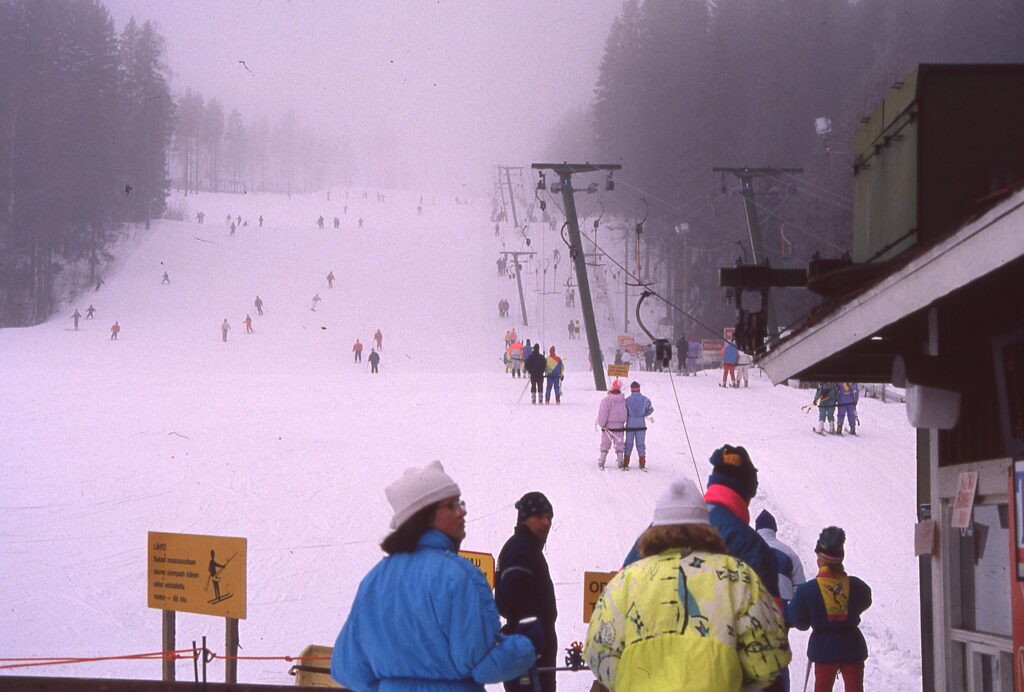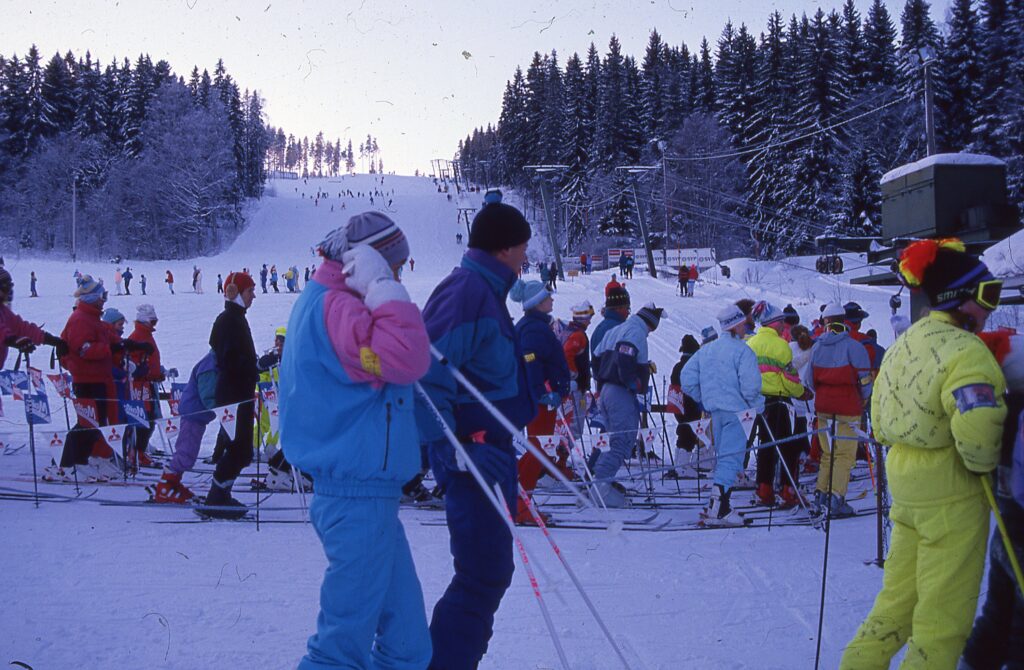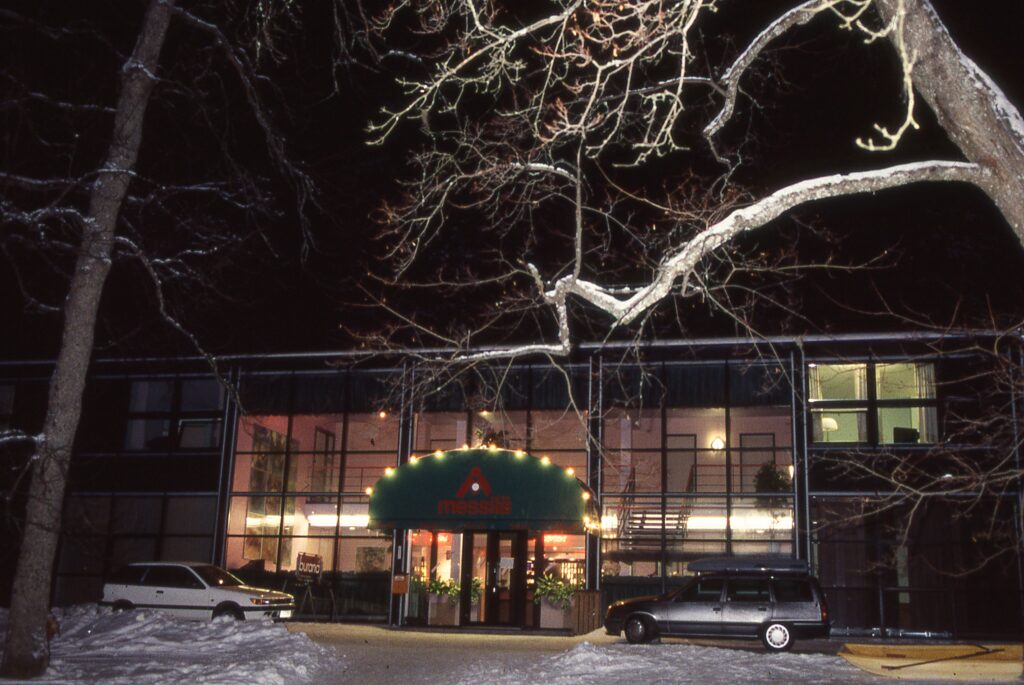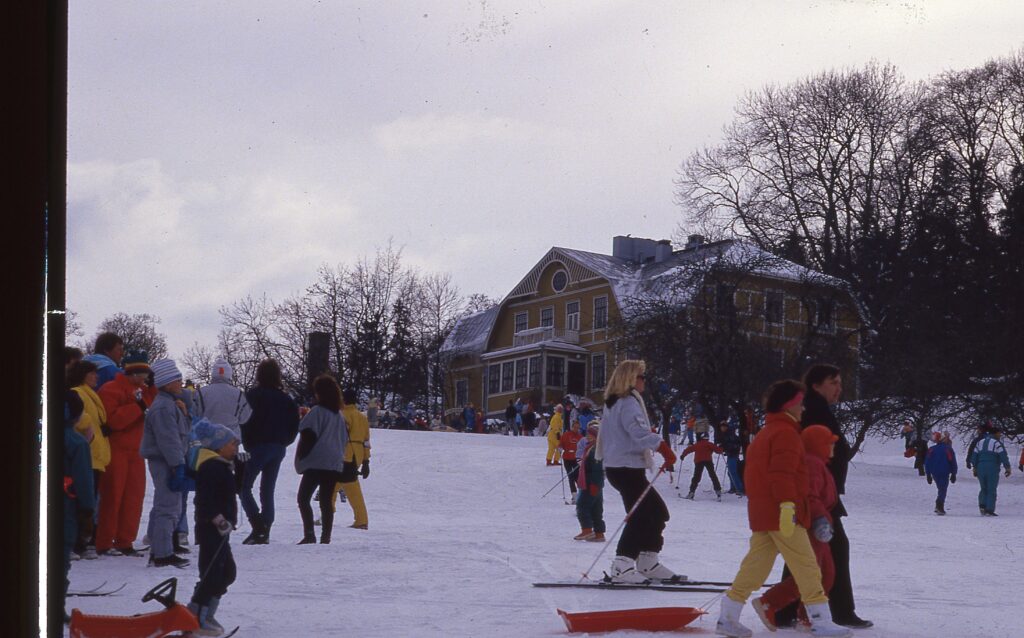
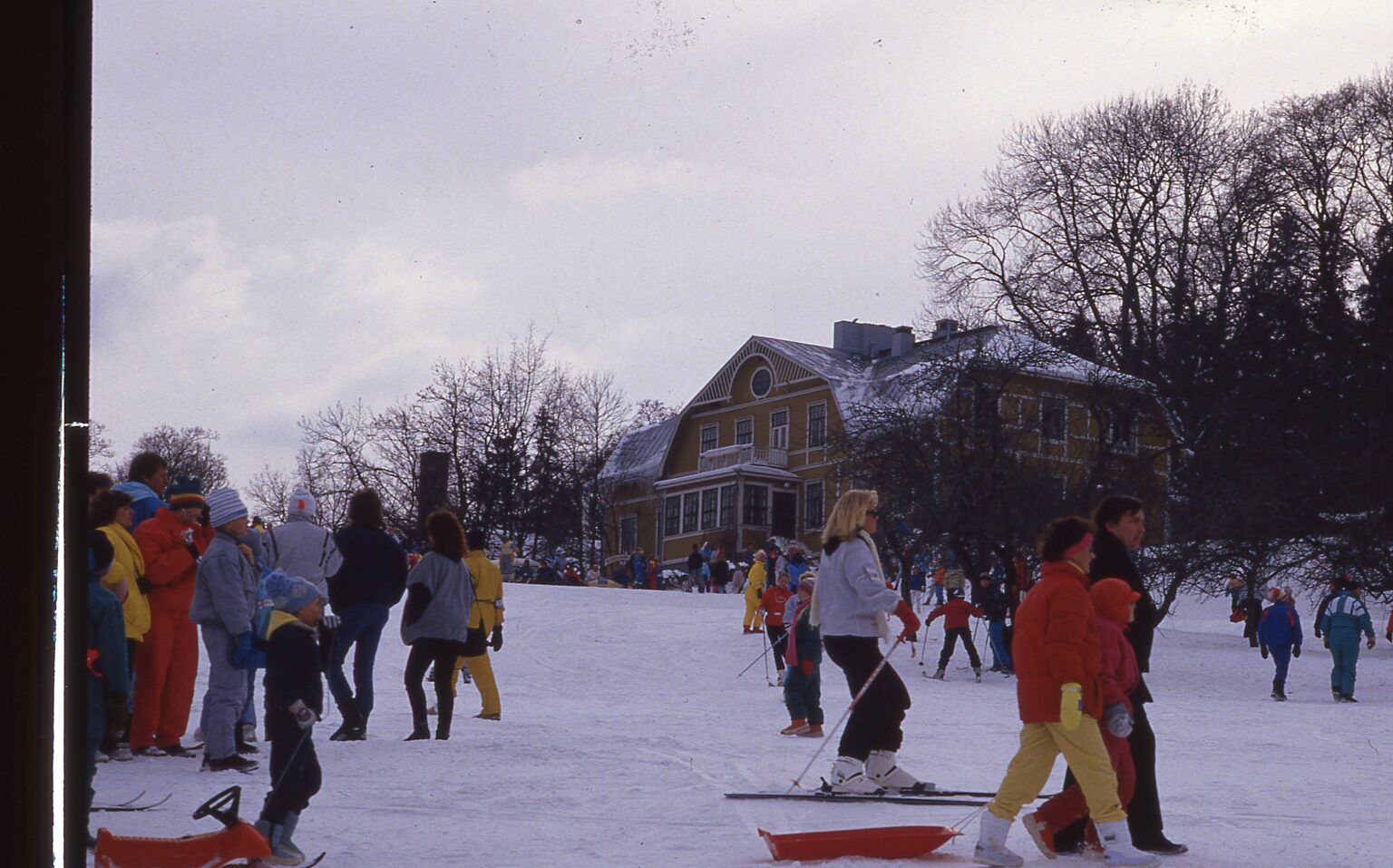
Messilä originated in the village of Okeroinen, one of the largest villages in the Häme region. Messilä first appeared in historical records during the Catholic era in 1403, when Niilo Olavinpoika Tavast, the district judge of Hollola, settled a border dispute and confirmed the boundary between the villages of Messilä and Okeroinen.
Messilä Estate
In the 1460s, Heyen Messisson, the first known inhabitant and local bailiff of the village, lived here. Messilä likely derives its name from him. The village was also known as Tiirismaa, a name used widely until the 19th century.
By 1539, there were four taxable farms in the village. Toward the end of the 1580s, a prolonged war against Russia and increased taxes left the farms deserted, and Tiirismaa became crown land.
In 1634, Queen Christina granted one of the abandoned farms tax-free to Lady Margareta Kudlin for as long as she remained a widow. Lady Margareta and her family settled in the village, cultivating two additional farms. Soon, the village became a cavalry estate. Lady Margareta’s daughter Anna Margareta’s husband, Corporal David Reid, incorporated the three-farm village of Tiirismaa into his cultivation and provided a horse, a man, and his equipment and weapons for the king’s army. Eskil Martinpoika is mentioned as Messilä’s first cavalryman.
In 1663, due to Anna Margareta’s childlessness, Messilä passed to Matts Falck, the crown bailiff of the Hollola district, under whose care the estate flourished. In 1691, a fire destroyed the main building, two outbuildings, and the livestock.
Following a military reform in 1695, Messilä became a supporting farm of the Taipale cavalry estate and had to supply an infantryman. During this time, while the Falck brothers served in the Karelian cavalry regiment stationed in Viipuri, farm managers maintained and cultivated the estate.
Changing Families
In 1750, Falck sold Messilä to Helsinki merchant Aron Peron for 1,200 copper thalers. Peron later converted it from crown land into a hereditary estate and built the predecessor of today’s Manor House, a two-story main building.
In 1781, Messilä changed owners again. The Peron family lost the estate in a card game to Kaarle Polon, the son of a rusthollari (yeoman) from Uskila village in Hollola. He became the first owner from the peasant class. After Kaarle Polon’s death and his second eldest son Kaarle Henrik came of age, the estate was divided in 1799 into two farms: Alestalo and Ylöstalo, the latter remaining with Kaarle Henrik. The main building of Ylöstalo, still standing today, was constructed at that time
Industry
The Polon family were industrialists. In 1815, a broadcloth factory was established at Ylöstalo. On the Alestalo side, Kaarle Juhana Polon received permission in 1821 to establish a leather factory along with dyeing, weaving, and saddlery workshops. According to the 1840 population records, the broadcloth factory employed one master, two journeymen, and one worker, while the leather factory employed two masters, three journeymen, and two workers. Furniture production also emerged around this time, leading to the construction of five small workers’ cottages on the estate.
Over the years, Messilä has had many owners. The estate could also be inherited through daughters, which is why Messilä remained within certain families for long periods, even as surnames changed. The most recent owner families include Polon, Grenman, Melander, Söyring, Söyriö, Pullinen, and Toivonen.
Tourism
Tourism at Messilä began in 1859, when a Helsinki engineer visited to plan a viewing tower at Tiirismaa. By around 1880, visitors were served food and drink for a fee. A decade later, a side building of the manor was moved to the courtyard to serve as guest accommodation. In the 1920s, following the Salpausselkä competitions, the idea of establishing a sports hotel at Messilä emerged.
In 1969, a generational change occurred, marking the beginning of Messilä as a holiday resort. The current hotel building was constructed. Over the years, attractions at Messilä have included “Turn-of-the-Century Feasts,” Kesämaa, Dancing Waters, and the summer luge track, all of which have since ceased operations.
Today
Today, Messilä is a vibrant and versatile conference and leisure center. It is owned by three businessmen who started their enterprise in 1999. In the traditional manor setting, visitors can still sense a touch of life from centuries past.